For four days, national and international experts, researchers, environmental authorities, and citizens will gather in Medellín to share experiences and knowledge about the role of trees in building healthier, safer, and more sustainable cities. From October 7 to 10, the capital of Antioquia will host one of the world’s most important conferences on urban forests, having been chosen for its commitment to sustainability and environmental conservation.
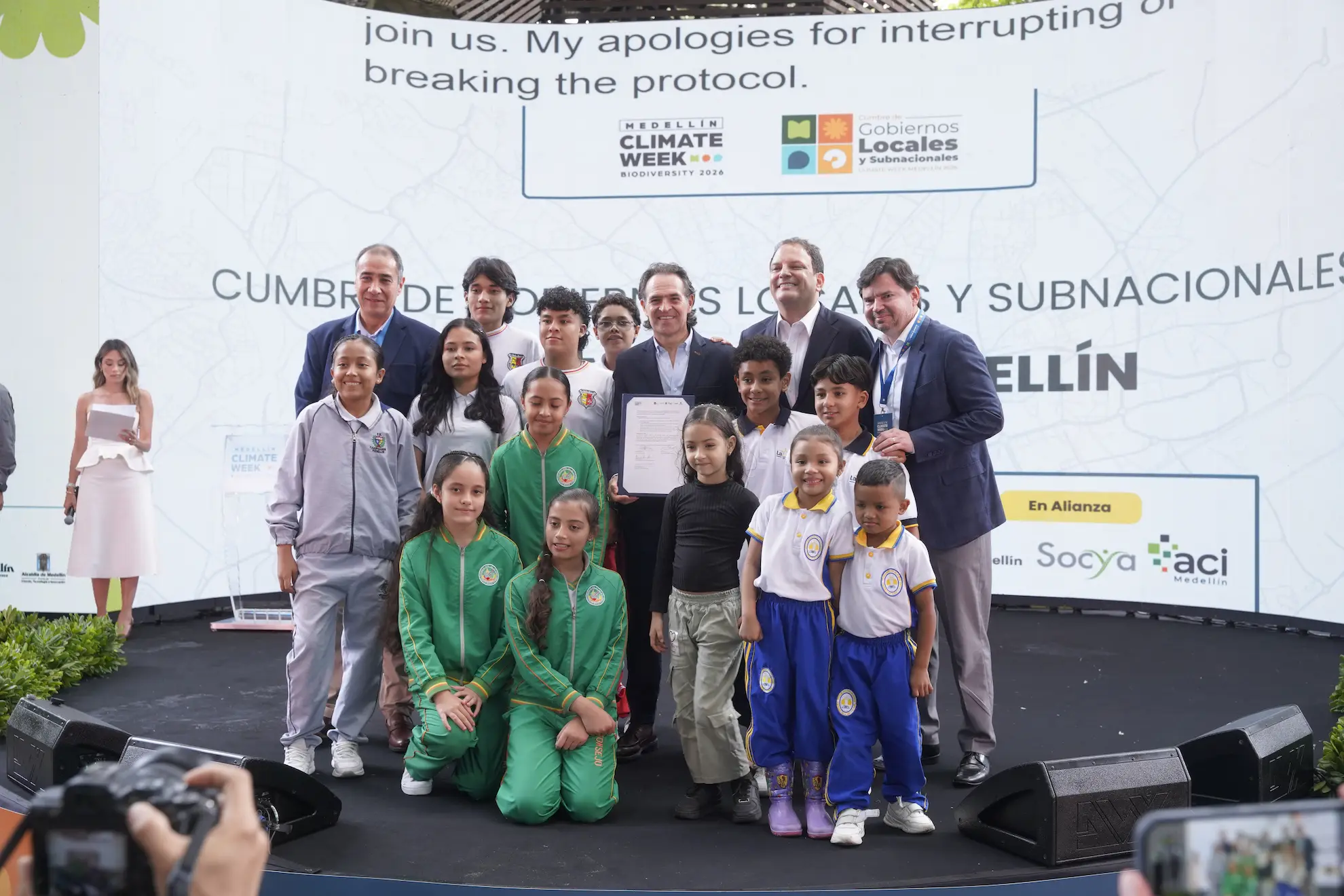
This is the sixth International Conference on Urban Tree Diversity, the launch of which is part of the agenda for Climate Week Medellín, announced by Mayor Federico Gutiérrez Zuluaga on June 26. This initiative will bring together international-level events in the city to promote exchange and cooperation in the areas of sustainability, biodiversity, innovation, and climate action.
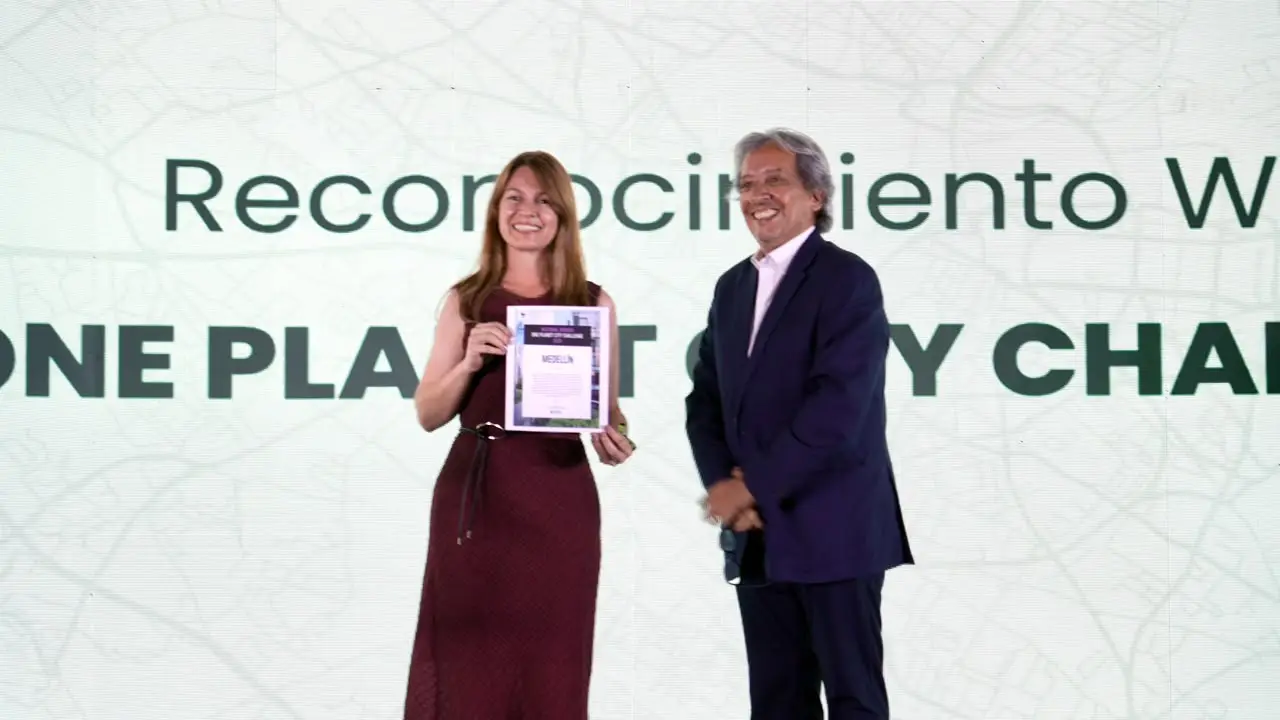
“This new event, which has named Medellín the World Tree Capital, is a source of pride for us because it recognizes all the efforts made by the District, academia, and very important organizations. All of them have contributed to the city’s tree cover, the protection and care of trees as a distinctive feature of the city’s urban design, and the work we do to promote sustainability and the conservation of biodiversity,” said Environment Secretary Marcela Ruiz.
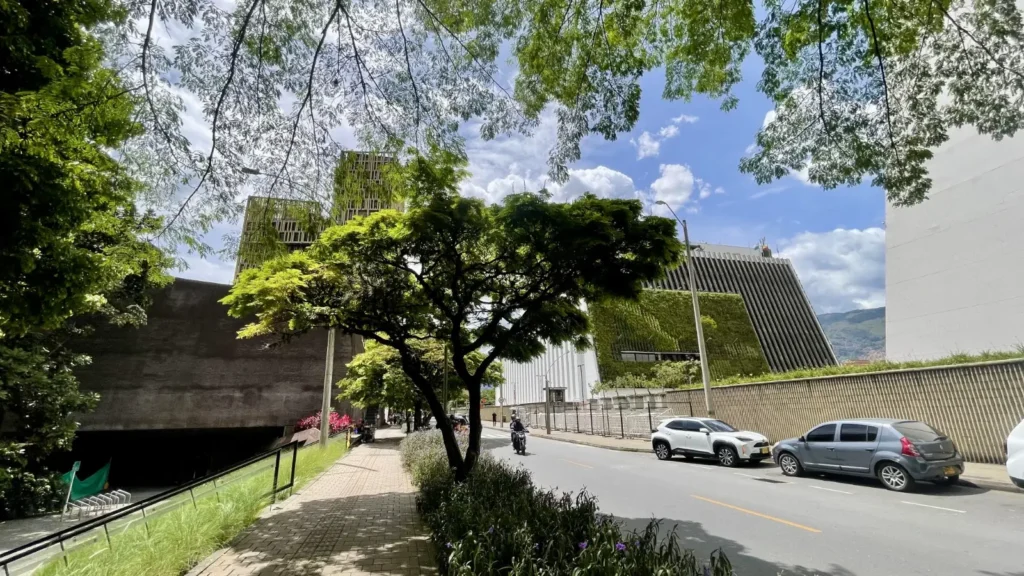
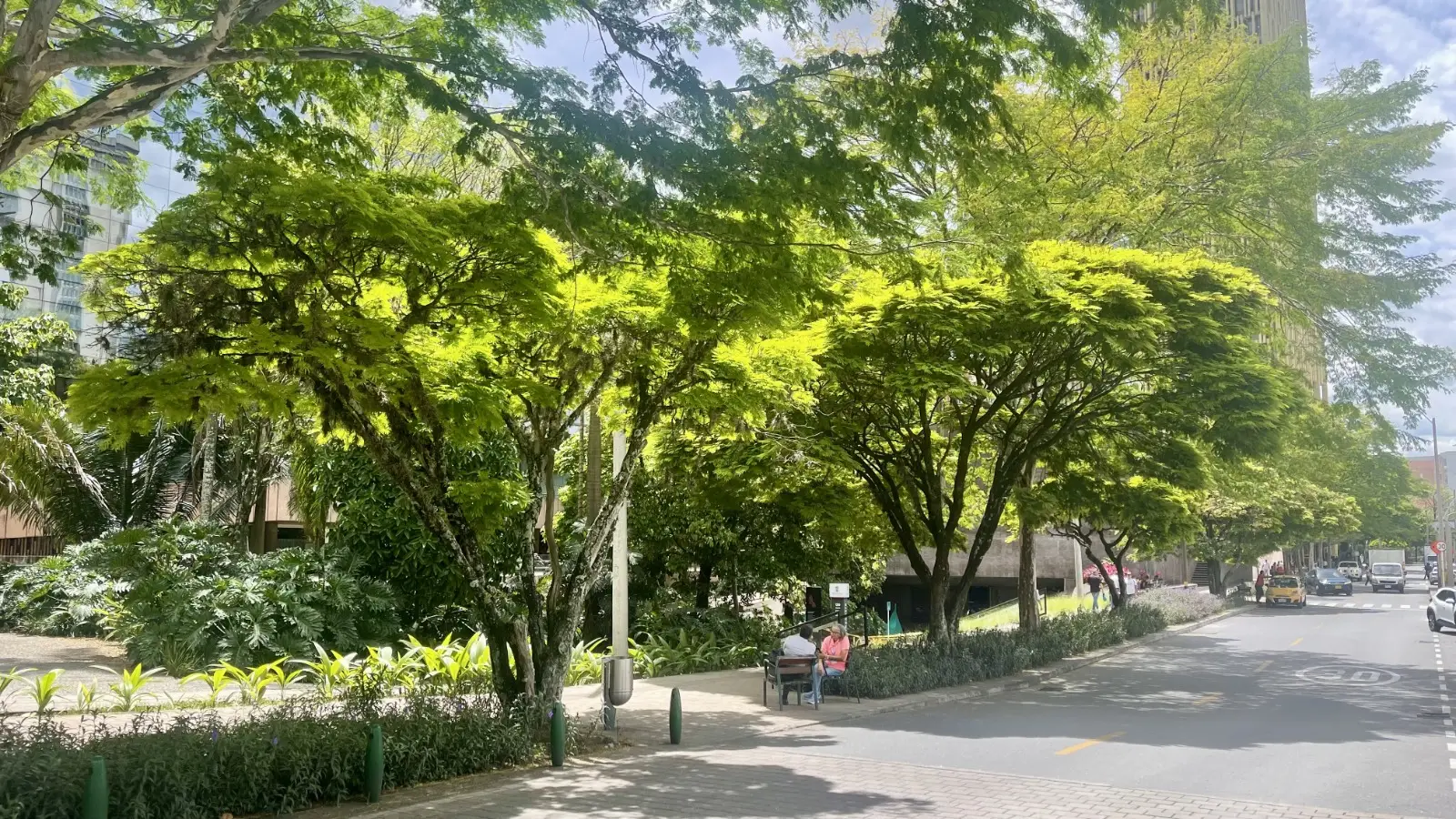
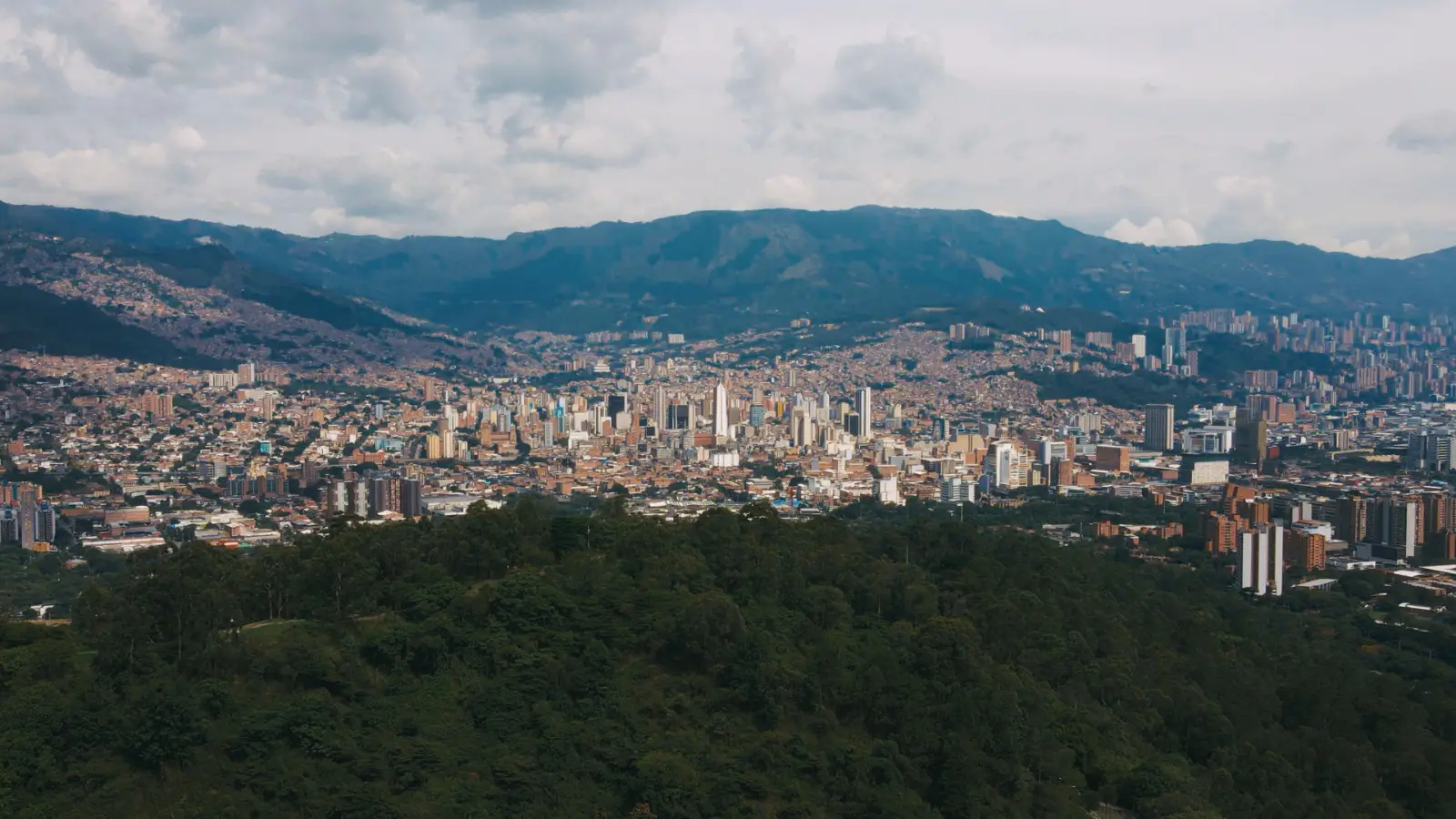
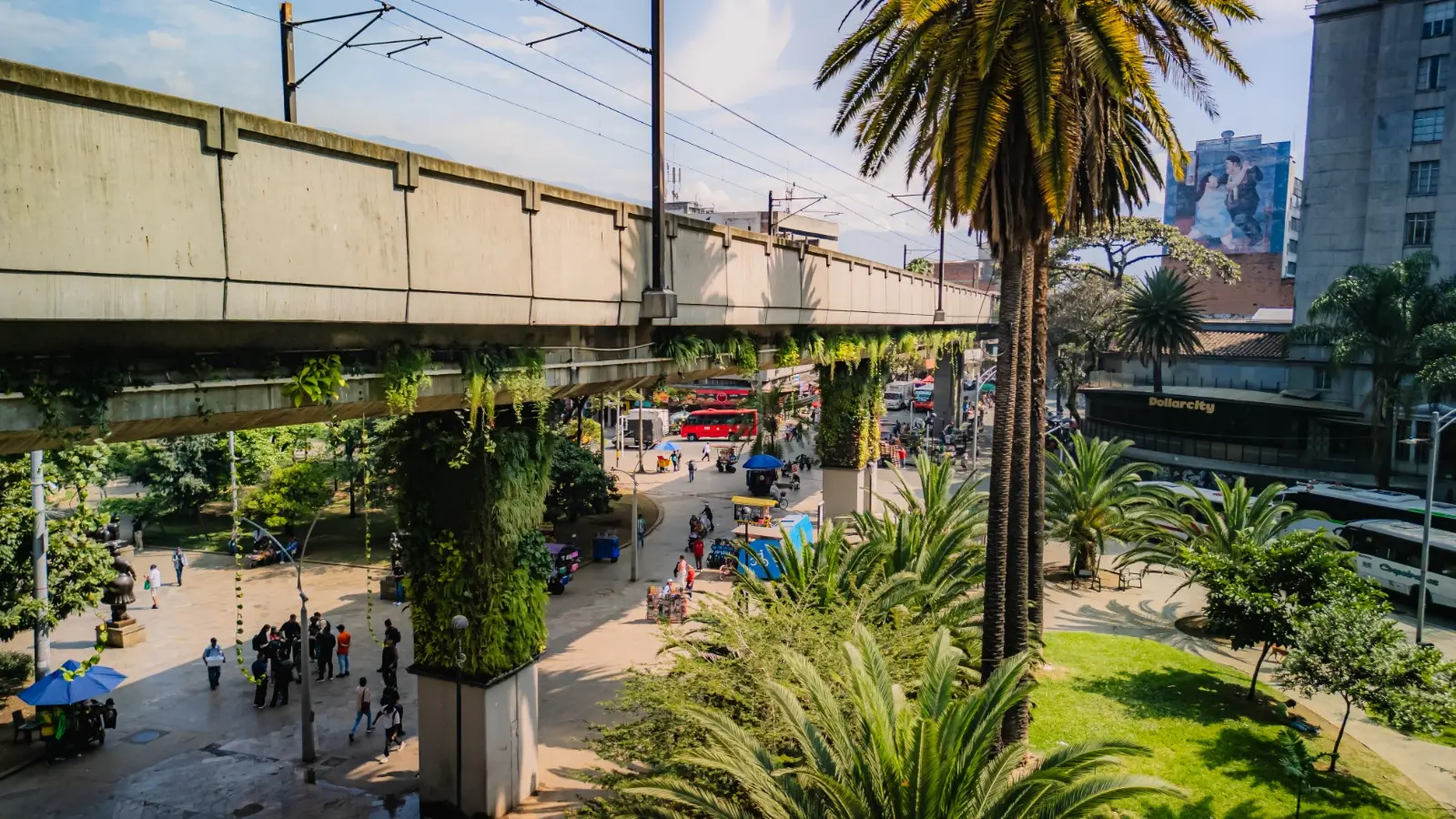
Medellín has more than 650,000 trees and 826 species of trees, shrubs, and palms. In addition, since 2024, the city has planted more than 197,000 new trees and preserves 4,300 hectares of forest, while also protecting 17 nature reserves and seven guardian hills, thereby consolidating a green infrastructure that helps improve air quality, regulate temperature, capture carbon, and protect biodiversity.
The program will include keynote speeches, expert panels, scientific presentations, a poster session, and tours of some of the most iconic green spaces in the capital of Antioquia. The event, which will take place in the Restrepo Hall at the Botanical Garden, will address topics such as governance and citizen participation, public health and climate change, urban tree inventory and monitoring, as well as risk management related to trees in cities.
The conference also coincides with the 20th anniversary of Medellín’s Inter-institutional Thematic Committee on Urban Forestry and Landscaping, an organization that, since 2006, has held nearly 440 technical sessions to guide decisions related to trees and green spaces.